

Technology has revolutionized every aspect of our lives, and the HVAC industry is no exception. The advent of innovative technology in heating, ventilation, and air conditioning (HVAC) systems has significantly improved the efficiency, convenience, and overall performance of these units.
One major area where technology plays a crucial role in today’s HVAC installation services is the design process. With advanced software programs such as Computer-Aided Design (CAD), professionals can create precise digital models of an HVAC system tailored to a specific building or home layout. This allows for optimal placement of components and ductwork to ensure efficient airflow and temperature control. It also reduces the risk of errors during installation, saving time and resources.
Another significant technological advancement in this field is smart thermostats. These devices connect to Wi-Fi networks allowing homeowners to control their hvac company near me systems remotely using smartphones or computers. They can adjust temperatures based on their schedules or weather conditions for energy efficiency purposes. Some smart thermostats even learn homeowner’s habits over time and adjust themselves accordingly.
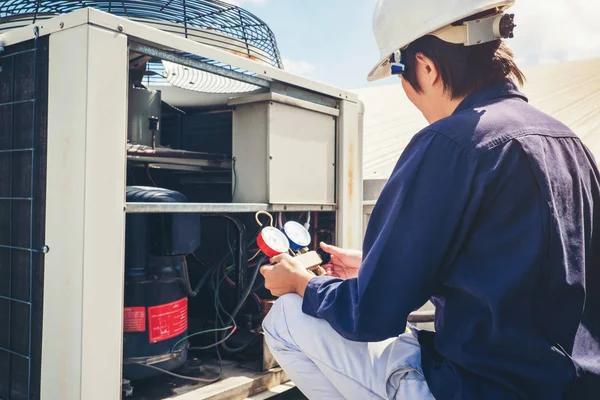
Furthermore, technology has enabled enhanced diagnostics capabilities in modern HVAC systems. Technicians can now use specialized tools that connect to an HVAC unit’s computer system to quickly identify problems with components like compressors or fans without disassembling the entire unit—a process that would have been both time-consuming and costly in the past.
In addition, advanced sensors are becoming increasingly common in modern units—these monitor factors like indoor air quality levels, humidity levels etc., providing real-time feedback that can be used by homeowners or technicians for adjustments as needed.
Energy-efficient technologies are also playing a huge role in shaping today’s HVAC installation services landscape. For instance, variable speed technology allows an air conditioner compressor to operate at different speeds depending on cooling demands—it consumes less power when cooling demand is low thereby reducing energy consumption while still keeping homes comfortable.
Moreover, advancements such as geothermal heat pumps utilize renewable energy sources from beneath Earth’s surface for heating and cooling purposes, offering an eco-friendly alternative to traditional HVAC systems.
The integration of technology in HVAC installation services has not only improved the functionality of these systems but also revolutionized how we interact with them. From smart thermostats that offer unprecedented control over indoor temperatures to advanced diagnostic tools that simplify troubleshooting, technology is enhancing both the installation process and user experience.
In conclusion, as technology continues to evolve, it will undoubtedly bring about even more improvements in HVAC installation services. Whether it’s making units more energy-efficient or simplifying maintenance procedures, the role of technology in this industry cannot be understated. As such, embracing technological advancements is essential for any HVAC service provider looking to stay competitive in today’s market.
Evans Heating & Cooling
1232 Rose St B, Elgin, SC 29045
803-438-1902